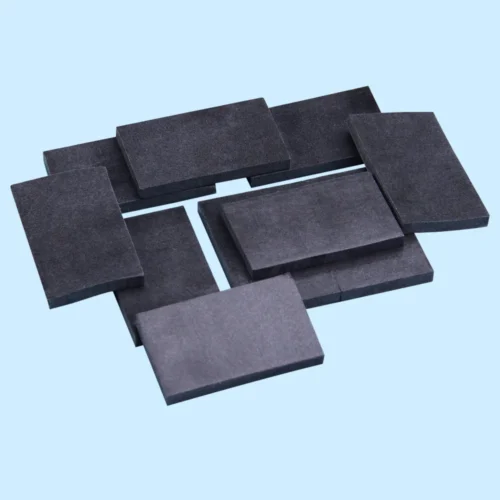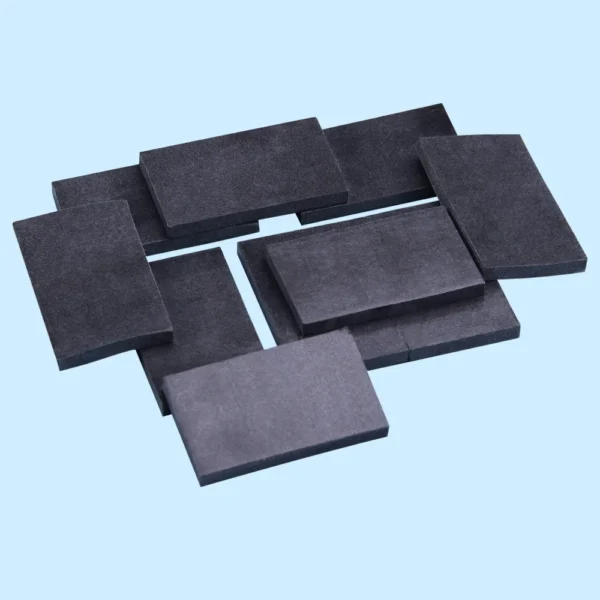
CSF20 Carbon Fiber Thermal Pad 20.0W/mK
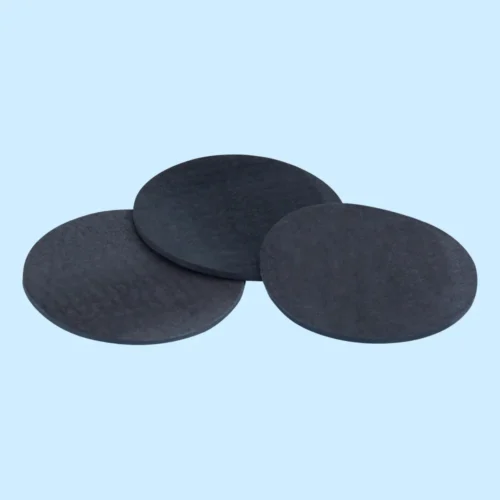
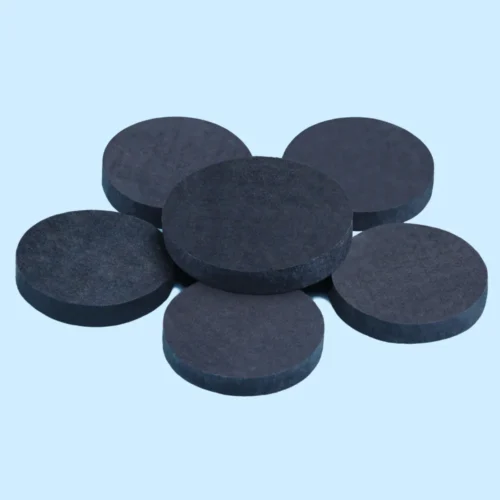
The Carbon Fiber Thermal Pad is very soft and well compressed, and is used to fill the interface of two articles, so that the air of the interface is discharged, and the heat conduction efficiency is improved. Thermal conductivity can reach 20.0W/mK
CSF series Carbon Fiber Thermal Pads are renowned for their distinctive characteristics, which include:
◆ Exceptional thermal conductivity options ranging from 15 to 45 W/mK.
◆ Available in various thicknesses from 0.3 to 12.0 mm.
◆ Features natural tackiness for easy application and rework.
◆ High compressibility, softness, and elasticity suitable for low-pressure applications.
◆ Low silicone oil bleed.
◆ Customizable shapes per client requirements.
◆ Compliant with RoHS, Halogen, REACH environmental and safety standards.
◆ Excellent flexibility, resilience, and thermal stability.
◆ Exceptional thermal conductivity options ranging from 15 to 45 W/mK.
◆ Available in various thicknesses from 0.3 to 12.0 mm.
◆ Features natural tackiness for easy application and rework.
◆ High compressibility, softness, and elasticity suitable for low-pressure applications.
◆ Low silicone oil bleed.
◆ Customizable shapes per client requirements.
◆ Compliant with RoHS, Halogen, REACH environmental and safety standards.
◆ Excellent flexibility, resilience, and thermal stability.
【Applications】
◆ 5G Base Station RRU
◆ Chips
◆ Capacitors
◆ Memory/Graphics Memory Particles
◆ Hard Drives
◆ Control Boards
◆ Shunts
◆ Relays
Properties of CSF20
| Properties | Unit | CSF20 | Test Method |
| Color | – | Black | Visual |
| Thickness | mm | 0.3 ~ 12.0 | ASTM D374 |
| Main components | – | Silicone | – |
| Additives | – | Carbon Fiber,Al2O3 | – |
| Thermal Conductivity | W/m K | 20.0 | ASTM D5470 |
| Thermal Impedance (1mm,@20psi) | °C *in2/W | 0.18 | ASTM D5470 |
| Density | g/cm3 | 2.7±0.2 | ASTM D792 |
| Dielectric Strength (@AC) | V/mm | 100 | ASTM D149 |
| Customized Hardness | Shore 00 | 40 ~ 90 | ASTM D2240 |
| Standard Hardness | Shore 00 | 40/60±5 | ASTM D2240 |
| Elongation | % | 30 | ASTM D412 |
| Tensile Strength | psi | 30 | ASTM D412 |
| Optimal Compression Ratio | – | 10±5% | – |
| Flame Rating | – | V-0 | UL 94 |
| Operating Temp. | ℃ | -50 ~ 160 | ASTM D1329 |
| RoHS | – | PASS | IEC 62321 |
| Halogen | – | PASS | EN 14582 |
| REACH | – | PASS | EN 14372 |
Principles of Thermal Interface Material
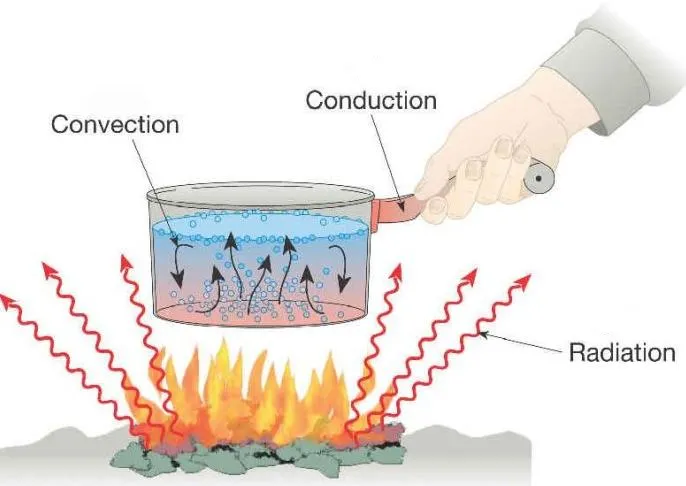
1. There are three modes of heat transfer: conduction, convection, and radiation.
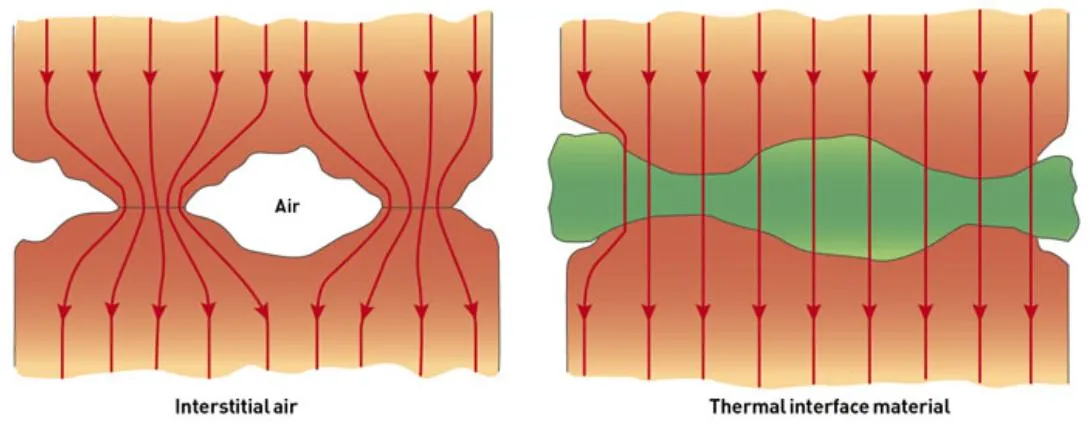
2. When a chip is directly bonded to a heatsink, there exists a microscopic gap between the two interfaces. The thermal conductivity of the air in this gap is only 0.026W/m·K, which hinders heat conduction.
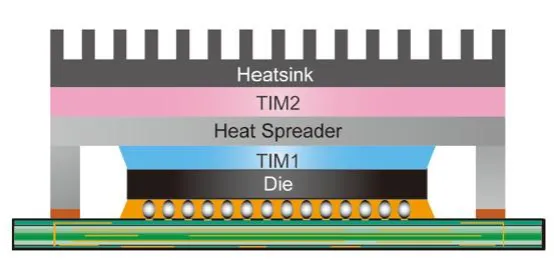
3. Thermal Interface Materials are used to fill the gaps between heat-generating components and heatsinks, eliminating the air at the interface and efficiently conducting heat.
Currently, SHEEN's SF series of Silicone Thermal Pad can achieve a thermal conductivity of 15W/m·K.
2. When a chip is directly bonded to a heatsink, there exists a microscopic gap between the two interfaces. The thermal conductivity of the air in this gap is only 0.026W/m·K, which hinders heat conduction.
3. Thermal Interface Materials are used to fill the gaps between heat-generating components and heatsinks, eliminating the air at the interface and efficiently conducting heat.
Currently, SHEEN's SF series of Silicone Thermal Pad can achieve a thermal conductivity of 15W/m·K.
Thermal Interface Material(TIM)